
Tomatoes are the most commonly grown vegetable on Polish balconies, and for good reason: a single well-placed container plant can yield a meaningful amount of fruit across a three-month window. The challenge is matching plant size to available space and managing the specific microclimate that most Polish urban balconies create.
Container Size and Weight
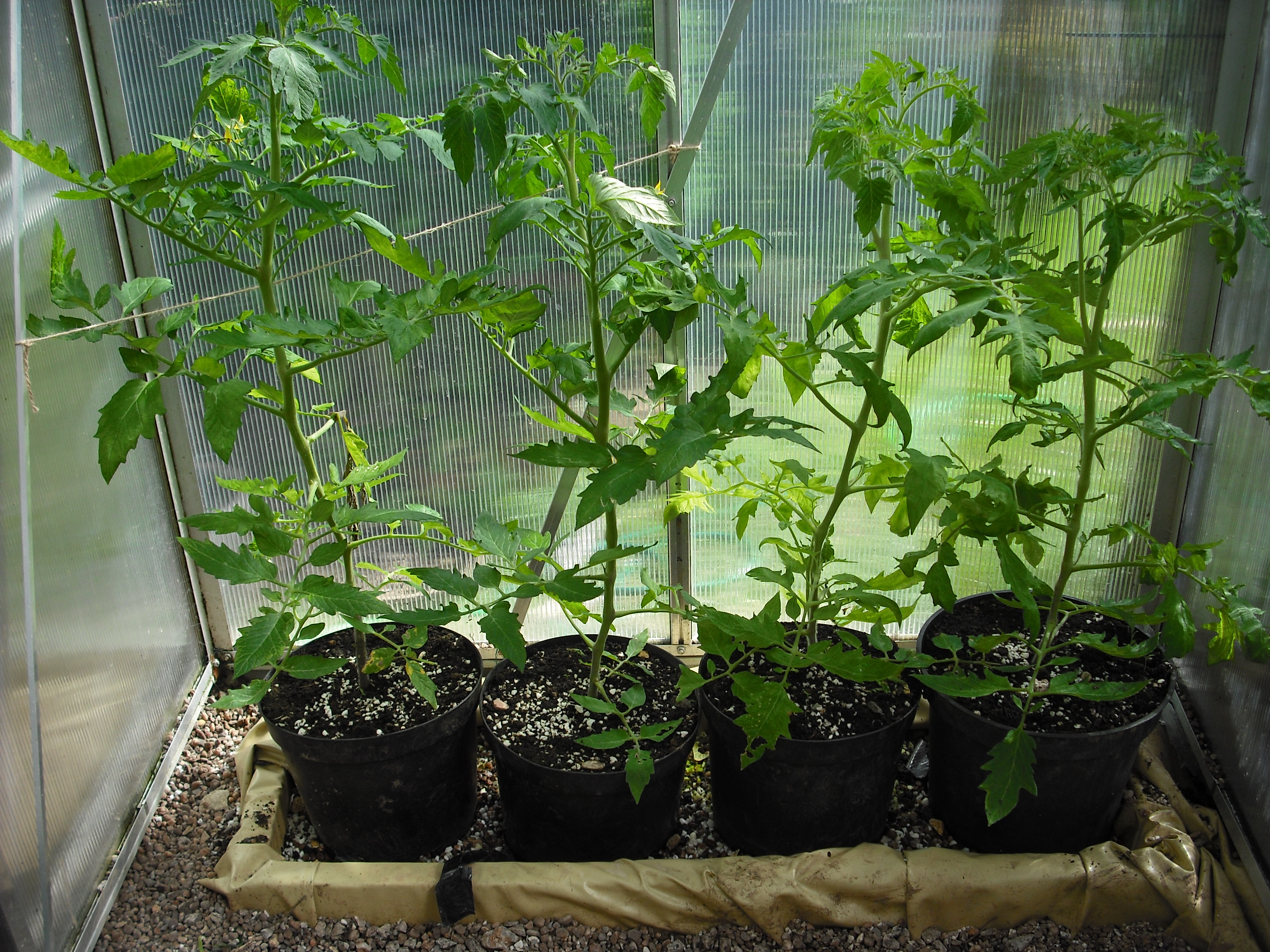
Tomatoes are heavy feeders with deep root systems. A container smaller than 20 litres will restrict root development and reduce yield significantly. For most balconies in Polish apartment buildings, a 25–30 litre container per plant is a practical target.
Weight becomes a concern on older balconies. A 30-litre container filled with damp growing mix weighs roughly 30–35 kg. Most modern concrete balconies in Poland are rated for at least 200 kg/m², but older structures — particularly precast buildings from the 1970s and 1980s — may have lower tolerances. Distributing containers across the balcony rather than placing all of them in one corner is a basic precaution.
Plastic containers retain moisture longer than terracotta and weigh less when dry. For balcony use in Poland, where summer rain can be unpredictable, plastic containers with drainage holes covered by mesh fabric are a straightforward starting point.
Cultivar Selection for Compact Spaces
Indeterminate (cordon) tomato varieties grow continuously and can reach 2 metres or more. These require substantial staking and are difficult to manage on a balcony. Determinate and semi-determinate cultivars, which stop growing at a fixed height, are better suited to container growing.
Commonly available compact cultivars in Poland
- Balkonstar — A determinate variety specifically bred for containers and balcony growing. Compact habit, produces small to medium fruits. Available at most Polish garden centres (e.g. Agrosimex, OBI).
- Tumbler — A trailing determinate type that works in hanging baskets or large pots. Produces cherry-sized fruit over an extended period.
- Roma — A paste type with a determinate habit. Dense fruit suitable for cooking. Performs well in containers with adequate water consistency.
- Totem — A compact semi-determinate type, widely available in Polish seed packets. Produces full-sized fruit on plants under 60 cm.
Sowing and Transplanting Timing
Tomato seedlings are frost-sensitive and cannot go outside until night temperatures remain consistently above 8–10°C. In central Poland (Warsaw, Łódź), this typically falls in mid-to-late May. In southern regions (Kraków, Katowice), conditions are similar, sometimes slightly earlier in sheltered spots.
Starting from seed indoors: sow 6–8 weeks before the intended outdoor transplanting date. Under a south-facing window or with supplemental lighting, this means starting seeds in early April for a late-May outdoor move.
Buying ready transplants from garden centres in May is a practical alternative for first-time growers. Polish garden centres stock a reasonable variety selection by mid-May.
Soil Composition
Standard multipurpose potting compost from Polish garden centres is adequate as a base but benefits from amendment. A mix of 70% good-quality potting compost, 20% perlite or coarse grit (for drainage), and 10% slow-release fertiliser granules provides a stable growing medium for the season.
Avoid garden soil in containers: it compacts quickly, drains poorly, and can introduce soil-borne diseases. This is particularly relevant in allotment (działka) settings where the temptation to use nearby bed soil is strong.
Watering on a Balcony
Container-grown tomatoes are vulnerable to irregular watering. The most common problem is blossom end rot, which is a physiological disorder linked to calcium deficiency caused by inconsistent moisture levels — not a disease. It shows as dark, sunken patches on the bottom of developing fruit.
In a sunny Polish balcony during July and August, a 30-litre container may need watering once or twice daily. The easiest diagnostic: push a finger 2–3 cm into the compost. If it feels dry at that depth, water thoroughly until water runs from the drainage holes.
Simple drip irrigation options
For absences longer than 2–3 days, passive wicking systems or basic drip irrigation kits (available at OBI and Leroy Merlin in Poland for under 200 PLN) can maintain adequate moisture. These work well for balconies with a tap connection; for balconies without running water, gravity-fed reservoir systems offer an alternative.
Positioning and Sun Exposure
Tomatoes need a minimum of 6–8 hours of direct sunlight for consistent fruit production. South and south-west facing balconies in Polish apartments typically provide this during summer months. East and west-facing balconies can still support container tomato growing but with reduced yields; north-facing balconies are generally unsuitable.
Concrete balcony walls and floors reflect and retain heat, which can be beneficial for extending the growing season but can also cause rapid soil drying and heat stress on roots. Light-coloured containers reduce heat absorption in roots.
Staking and Support
Even determinate varieties benefit from a simple stake or cage to support the weight of fruit clusters. Bamboo stakes and standard tomato cages are available at Agrosimex, OBI, and most działka supply shops. For balconies with railings, tying the main stem to the railing with soft twine is a common and effective approach.
External References
For cultivar performance data and container growing guidance, the Royal Horticultural Society's tomato growing guide and the University of Minnesota Extension tomato page provide detailed background applicable to comparable temperate conditions.
Last updated: June 5, 2026