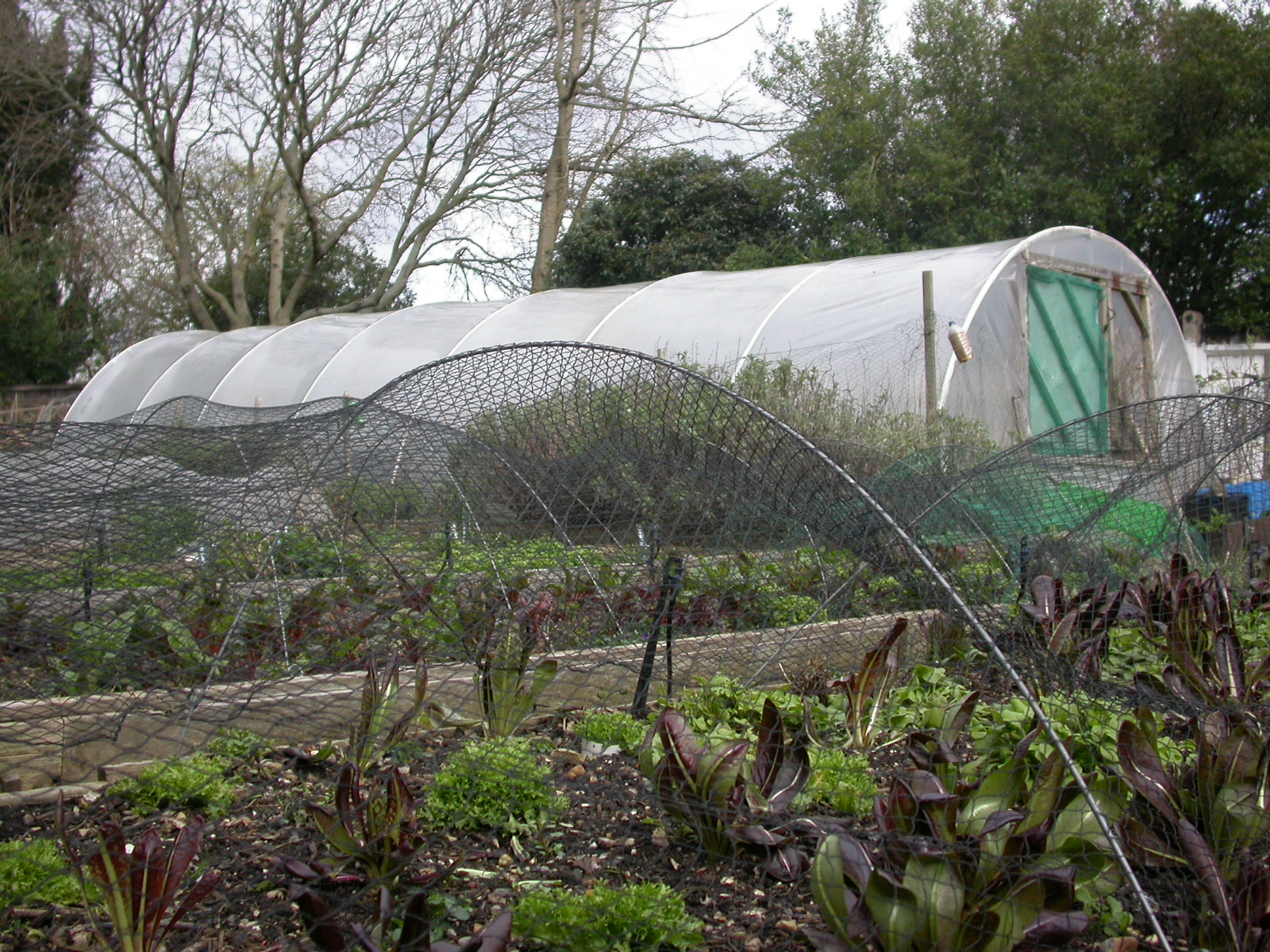
Not every vegetable is suited to container growing on a Polish balcony. Yield, space efficiency, root depth, and tolerance of container conditions vary widely between species. The crops listed here are selected based on their established performance in confined growing conditions — not all of them are the most popular vegetables, but they are the ones that reliably produce results in limited space.
Factors That Determine Suitability
A vegetable is a good candidate for balcony growing in Poland if it meets several criteria: it tolerates the root volume of a realistically sized container, it produces yields worth the effort, it can manage in the microclimate created by an urban balcony, and it fits within the Polish growing season without requiring elaborate season extension.
Root depth is often the limiting factor. Deep-rooting crops like parsnips or large-variety carrots are difficult to grow well in standard containers. Crops with compact root systems — salads, radishes, herbs, some beans — are inherently better suited.
The last frost date across most of central Poland falls between mid-April and early May. This defines when tender crops can go outside. Cold-tolerant species can start significantly earlier — sometimes in late March on sheltered south-facing balconies.
Salad Leaves and Spinach
Cut-and-come-again salad crops are among the most productive options for small containers. A single 30 cm window box can supply regular salad harvests over several weeks if managed with the cut-and-come-again method — harvesting outer leaves while the plant continues to grow from the centre.
Timing
- Outdoor direct sow: late March to early April for first sowings; can continue monthly until August
- Harvest starts 4–6 weeks after sowing
- Bolting (flowering and going to seed) is triggered by heat and long days; July and August sowings may bolt quickly in a sunny exposure
Varieties suited to container growing
Loose-leaf varieties (as opposed to hearting types like iceberg) are better suited to repeated harvesting. Varieties labelled as "heat tolerant" or "slow to bolt" perform better through the Polish summer months. Polish garden centres stock a reasonable selection; seed catalogue suppliers such as Plantico and Nasiona Rolnicy carry a broader range.
Radishes
Spring radishes mature in 3–4 weeks from direct sowing — one of the fastest returns of any vegetable crop. They require only 10–15 cm of soil depth and work well in window boxes, troughs, or any spare container. A succession of small sowings every 2–3 weeks from late March gives a steady supply through May and June.
Summer radishes slow down or bolt in heat. Restarting sowings in August produces a second productive window through September. Winter radish types (including Daikon varieties) are sown in July and harvested from October.
Spring Onions and Chives
Spring onions need little depth and can be grown densely. Sowing seeds thickly in a trough and harvesting progressively as they reach usable size gives a long cropping window. Chives are perennial and return year after year from the same container, making them among the lowest-maintenance crops for a balcony. Both tolerate partial shade better than most vegetables, which is useful for east or west-facing balconies.
Dwarf French Beans
Bush (dwarf) French beans do not require staking, unlike climbing varieties. They need a container of at least 20 cm depth and produce a concentrated harvest over 2–4 weeks. Sow outdoors after the last frost (typically late May in central Poland). A pot of 30–40 cm diameter supports 4–6 plants and produces a reasonable harvest for a single household.
Dwarf bean seeds are available widely in Poland — the variety "Polka" is commonly found in supermarkets and garden centres and performs predictably in containers.
Courgettes
Courgettes are productive in a single large container (40–50 litres) but they take up considerable horizontal space. Bush varieties are more compact than trailing types. One or two plants are typically enough — courgettes are highly productive and a single plant can supply more than a small household can comfortably use.
They are frost-tender and cannot go outside until late May in most Polish regions. Starting seeds indoors in early May gives plants that are ready to go out as soon as conditions allow.
Herbs
Several culinary herbs perform exceptionally well in containers and require minimal soil volume. They also fill spaces between larger crops or serve as standalone window box plantings.
- Basil — heat-loving; keep indoors or in a warm sheltered spot; highly productive in summer
- Parsley — cold-tolerant; can be started early and kept late into autumn
- Thyme — perennial; overwinters on a sheltered balcony; drought tolerant
- Chives — perennial; low maintenance; tolerates partial shade
- Mint — best grown in its own container as it spreads aggressively; very productive
Strawberries
Strawberries are not technically a vegetable but are worth including here. They are well-suited to container growing, including hanging baskets, and produce fruit reliably on south-facing Polish balconies. Everbearing varieties extend the cropping season compared to June-bearing types. Runners can be potted on each autumn to maintain a productive supply of young plants.
Crops That Are Difficult in Containers
Some common vegetables perform poorly in container conditions and are generally not worth attempting on a balcony:
- Sweetcorn — needs multiple plants for pollination, substantial root volume, and wind shelter; rarely successful on balconies
- Pumpkin and squash — sprawling habit and very high water demand make them impractical on most balconies
- Main crop potatoes — can be grown in bags but require large volumes of growing medium and produce modest yields relative to space used
- Brassicas (cabbage, broccoli) — large plants with deep root systems; not well suited to typical container sizes
Seasonal Summary for Poland
The table below summarises approximate outdoor timing for the crops above in central Poland (Warsaw, Łódź area). Southern regions may be 1–2 weeks earlier; northern coastal areas slightly later.
- Late March–April: Salad leaves, spinach, radishes, spring onions, chives (transplant), parsley (direct sow)
- Late May: Dwarf French beans, courgettes, basil (after last frost)
- June–August: Succession sowings of salads and radishes; harvest window for beans and courgettes
- August–September: Autumn salad sowings; winter radish harvest begins
- October: Season end for tender crops; cold-tolerant herbs continue
External References
For vegetable-specific growing guidance and timing, the Royal Horticultural Society vegetables section and the University of Minnesota Extension vegetable pages provide detailed background applicable to comparable temperate climates.
Last updated: June 5, 2026